Trademark Law Alert -- Proposed Federal Act Would Protect Individuals Against AI-Generated Fakes
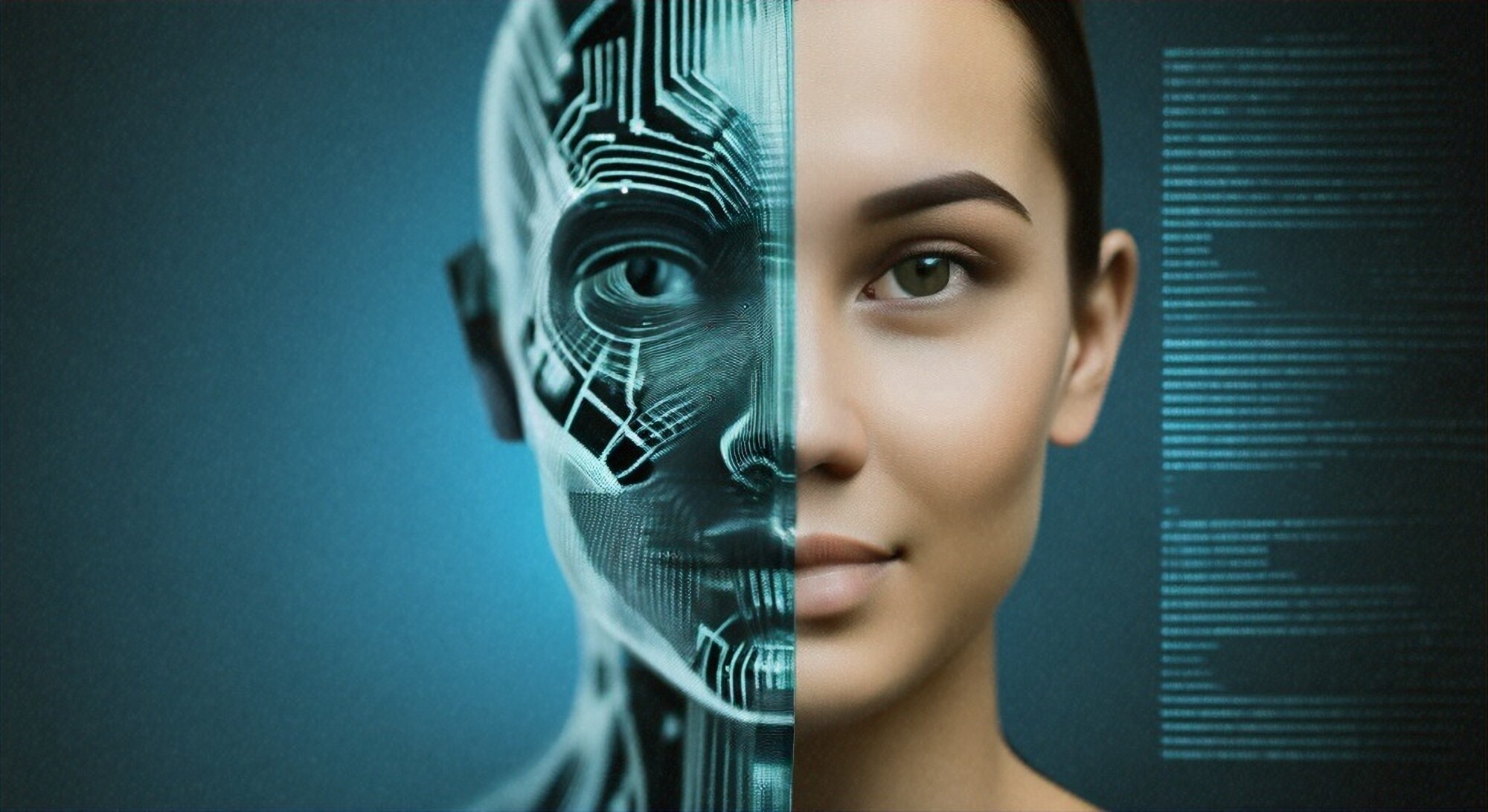
The proposed Nurture Originals, Foster Art, and Keep Entertainment Safe Act of 2026 (the “NO FAKES Act”), introduced May 20, 2026 in both the Senate as S. 4591 and the House as H.R. 8915, constitutes an effort to create federal protection for an individual’s digital identity in the age of generative AI.
If enacted, the bill would protect against fakes consisting of
“a newly created, computer-generated, highly realistic electronic representation that is readily identifiable as the voice or visual likeness of an individual. . .in which the actual individual did not actually perform or appear; or. . .in which the fundamental character of the performance or appearance has been materially altered.”
The bill provides that this is a property right is licensable, but it cannot be assigned until after the individual’s death. The bill also contains various exclusions for activities protected by the First Amendment such as news reporting, commentary, criticism, and satire, among other things.
Background
There currently is no federal protection for a person’s name, image, or likeness (“NIL”). Instead, an individual’s protection against AI-generated fakes (also called “deepfakes”) depends on a combination of state publicity statutes, unfair competition theories, contract rights, and creative strategies to secure trademark registrations for voice audio clips and visual images.
Celebrities are increasingly turning to trademark law as a supplemental weapon against unauthorized AI-generated imitations of their voices, images, and other signature indicia.
On June 11, 2026, Lionel Richie filed four U.S. trademark intent-to-use applications seeking registration of sound marks built around snippets of his voice performing signature lines from famous songs, including “Hello, is it me you’re looking for?,” “Say You, Say Me,” “Easy Like Sunday Morning,” and “All Night Long.” This followed similar strategies used by Taylor Swift and Matthew McConaughey to protect aspects of their personas, as we discussed in “New Celebrity Weapon: Trademarks v. Artificial Intelligence.”
While using trademark law as a weapon against AI-generated fakes may be a useful tool, the success of this strategy depends upon the extent to which the applicant is able to demonstrate to the U.S. Patent and Trademark Office that the images or sounds function as source identifiers, instead of merely being famous lyrics or performances.
Fame-based impersonation is but one type of threat presented by AI-generated fakes. The same technology also can be deployed to create false political messages, sexually explicit fakes, commercial scams or other forms of reputational attacks involving non-celebrity members of the public.
The NO FAKES Act of 2026
Introduction. The bipartisan, bicameral NO FAKES Act would create a federal cause of action against unauthorized digital replicas of an individual’s voice or visual likeness. Senator Marsha Blackburn (R-Tenn.), one of the sponsors, explained that the proposed legislation is intended to “establish clear guardrails that protect the creative community in Tennessee and nationwide,” without sacrificing free speech or hindering technical innovation.
All individuals, living or dead. The bill would protect all individuals, regardless of their level of fame or recognition. The bill also makes clear that an “individual” includes both the living and the deceased, underscoring that the problem is not limited to current commercial endorsements or obvious celebrity scams. Indeed, Senator Blackburn has explained, “From artists and songwriters to students and everyday Americans, people deserve meaningful protections against deceptive deepfakes and digital impersonation.”
Liability and Enforcement. The bill contains a variety of specified penalties and damage recoveries as well as attorneys’ fees. Notably, the bill allocates responsibility to those who create unauthorized digital replicas and certain online services. At the same time, it offers safe harbors for platforms that promptly comply with notice-and-takedown procedures. Additional features include subpoena mechanisms to identify alleged infringers, repeat-infringer policies for eligible services, digital fingerprinting requirements to prevent reposting of material that has already been taken down, and a broader definition of covered online services that may include search engines, ad networks, e-commerce platforms, and cloud services.
Supporters. The bill’s growing base of support suggests an emerging consensus that AI governance must protect human identity as well as innovation. Dozens of organizations have supported this legislation including the Recording Academy, the Motion Picture Association, YouTube, TikTok, SAG-AFTRA, Disney, and Getty Images. However, the Electric Frontier Foundation and others have criticized certain aspects of the bill.
Authors’ Note:
For now, celebrities will likely continue to rely on trademark registrations, publicity claims, contractual protections, platform complaints, and state statutes to safeguard their NIL rights. Lionel Richie’s recent sound-mark applications are the latest example of that trend.
However, if enacted, the NO FAKES Act could shift the center of gravity by offering a more direct, coherent, and comprehensive federal remedy for digital impersonation. In doing so, it not only would strengthen celebrity protection against deepfakes, but also would confirm what the digital marketplace has already made clear: an individual’s identity is among the most valuable forms of intellectual property, and NIL protection must evolve accordingly.
You should not rely on this brief summary of the Act. Rather, consult the detailed 48-page bill itself.
For further information, please contact Avanthi M. Cole, William M. Borchard, or your CLL attorney.

Associate
Email | 212.790.9267
Avanthi’s practice specializes in intellectual property disputes, with a focus on copyright and trademark litigation and counseling. She has represented clients across a range of industries, including social media platforms, pharmaceutical companies, online businesses, and domain name registrars.
Senior Counsel
Email | 212.790.9290
Bill has handled domestic and international trademark and copyright matters at the highest level for over 60 years. He has counseled and represented clients on domestic and international trademark matters concerning clearance, registration, proper use, licensing, contested administrative proceedings and infringement claims. He became Senior Counsel in January 2024 and is now focusing on providing guidance and advice to other lawyers within our firm and writing informative and engaging articles on intellectual property law developments.